You don’t have to choose between keeping the peace and standing up for yourself. There’s a third response that protects your self-respect without turning every hurtful moment into a fight.
-Robyn Lee
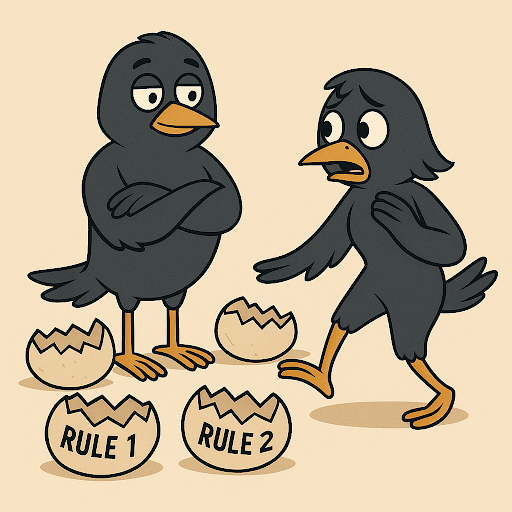
There’s a specific kind of tension that happens when the person you love also becomes the person you have to tiptoe around.
What do you do when your husband constantly disrespects you?
Rude remarks, emotional neglect, manipulation, gaslighting, narcissistic behavior – it wears on you.
Let’s explore what’s really going on with your husband — and how to respond in a way that stops the disrespect, protects your self-respect, and resets the balance in your marriage.
A quick but important pause:
If you are dealing with physical violence, threats, or behavior that is escalating to a place where you don’t feel safe, the first step isn’t communication strategies, it’s safety. You deserve protection, support, and someone in your corner. The National Domestic Violence Hotline is available 24/7 at 800-799-SAFE (7233) if you need confidential help or guidance.
So what should you actually do when your husband speaks to you disrespectfully?
Don’t ignore it, but don’t get pulled into an argument trying to correct it in the moment either. Step back, let the immediate tension settle, and address the behavior when you can both have a calmer conversation. You can be compassionate about what may be happening underneath his behavior without accepting the way he is speaking to you.
The goal isn’t to make him regret disrespecting you or to match his behavior. It’s to respond in a way that protects your self-respect while making it clear that disrespect isn’t how you’re willing to communicate.

Why Your Husband May Be Acting Rude or Disrespectful
Some men don’t realize how hurtful their tone, sarcasm, or reactions have become. Others do, but feel justified or become defensive.
In many cases, disrespect comes from insecurity, a place where he doesn’t feel capable, confident, or in control. That pressure often spills out through criticism, withdrawal, or anger.
And when a man feels unsettled inside, the relationship often absorbs the impact.
If you want a deeper breakdown of this dynamic and how it may look in your marriage, you can read my article: Why Is My Husband So Mean and Disrespectful?
How to Handle a Rude Husband Without Arguing or Shrinking
If your husband is mean or disrespectful, you’ve likely already tried a few ways to deal with it — maybe brushing it off, staying quiet to avoid arguments, or trying to be “the bigger person.” But here’s the truth:
Some responses feel natural in the moment, but they don’t create real change.
Here are the ones that often backfire:
- Ignoring the behavior and hoping it will pass
- Going silent to keep the peace
- Snapping back or matching his tone
- Threatening to leave or walking out without a plan
They may bring temporary relief or release, but they don’t shift the dynamic — and sometimes, they make the pattern even more entrenched.
Real change happens when your response comes from clarity, self-respect, and emotional steadiness — not fear, exhaustion, or reaction.
The Counterintuitive Approach That Finally Shifts the Dynamic
The answer isn’t to shrink, tiptoe, or wait for him to become someone different.
It starts with compassion and calm, and then holding boundaries and communication that honor your worth.
Step Back Instead of Getting Pulled In
Choosing not to engage with disrespect in the moment isn’t the same as ignoring it. Ignoring allows the behavior to continue without addressing it. Stepping back means refusing to get pulled into a destructive back-and-forth so you can address the real issue later.
Dr. John Gottman’s research shows that defensiveness rarely leads to understanding or repair. When you react to his tone with your own anger or defensiveness, the conversation can quickly become about your reaction instead of his behavior.
Instead, signal that you need a pause:
- “I want to continue this conversation, but I need a break first.”
- “Let’s pause and come back to this when we’re both calmer.”
- “I hear you. I need a moment before we continue.”
Stepping back is a boundary. It communicates: “You don’t get access to me when you choose disrespect.”
If you can’t physically leave, create some mental space. Slow your breathing, remind yourself that you don’t have to absorb his tone, and resist the urge to argue, defend yourself, or match his energy.
Then address what happened when the timing supports respect rather than conflict.

Timing Matters Just as Much as the Conversation
When your husband is critical, rude, or disrespectful, he’s already in a low emotional state and won’t be able to hear you clearly.
That’s not the moment to address the behavior.
Wait until he’s calm, present, and no longer reacting. Bringing it up when he’s regulated gives your words a better chance of landing and prevents another unnecessary conflict.
Lead from Calm
The timing has to be right for you as well. Before bringing anything up, pause and check in with yourself. Are you calm, grounded, and able to approach him without resentment?
Communication works like a channel, whatever you’re holding inside will come through, even if you’re choosing careful words and a steady tone. You can smile and speak softly, but if irritation or hurt is leading, he will feel it.
One way to soften your own internal state is to entertain the idea that he may not fully recognize how his tone or behavior is coming across.
Sometimes what feels intentional is really insecurity, stress, or overwhelm spilling over. You don’t have to dismiss the impact, but when you approach the conversation with steadiness and compassion, he’s far more likely to listen rather than react.
Once you’re in a calmer place, the next step is approaching him in a way that won’t activate defensiveness. Rather than saying something like, “You always talk to me like this,” which can make him shut down or get reactive, ask gently if he’s open to a conversation.
Dr. Pransky teaches that asking first opens the door to a real conversation. You might say, “I’ve noticed something you may not be aware of, and it’s been upsetting for me. Can we talk about it?”
When you start softly, without accusation or emotional charge, it’s more like a gentle tap on the shoulder than a confrontation, and it gives the conversation a far better chance of being productive.
From there, keep the conversation focused on the behavior and how it affects you rather than trying to prove that he’s a disrespectful person. You might say:
- “When you speak to me that way, I feel hurt and dismissed. I want us to be able to disagree without talking to each other like that.”
- “I’m willing to talk about what’s bothering you, but I’m not willing to be spoken to disrespectfully.”
- “You may not mean for it to come across this way, but your tone feels hurtful to me. Can we talk about what’s really going on?”
And pay attention to what happens after these conversations. One difficult moment is different from a pattern where you’ve calmly explained what hurts you and your husband repeatedly dismisses it, blames you for it, or continues speaking to you the same way.
You can control how clearly and calmly you respond, but you cannot make another person become respectful. If the pattern continues, the question shifts from “How do I explain this better?” to “What boundaries and support do I need if this doesn’t change?” That may mean becoming firmer about ending disrespectful conversations and getting outside support to help you decide what is healthy for you moving forward.
You don’t need the perfect words or a long speech. Calmly naming what happened, how it affected you, and what you’re willing to participate in is enough.
If the disrespect or emotional pain in your marriage feels like more than you can manage on your own, you don’t have to carry it alone.
A therapist who understands relationships and communication patterns can offer support, clarity, and guidance. Whether you’re working to improve the marriage or trying to understand what’s next, having someone in your corner can make the process feel less overwhelming and far more possible.
Final Thoughts
This is hard, and you’re allowed to admit that. You deserve respect, safety, and kindness in your marriage. Change begins with calm clarity, not reaction or avoidance. And if the dynamic still feels too heavy, support is available. You deserve a relationship where your voice and emotional well-being matter.
Read More from Relationship Blackbook
Discover more from Relationship Blackbook
Subscribe to get the latest posts sent to your email.

Leave a Reply