
Table of Contents
It doesn’t happen every day, but when it does, it leaves you stunned, replaying the moment and wondering how things escalated so quickly.
One minute the conversation is normal, and the next you’re hit with a reaction so sharp or dismissive that you’re left questioning why your husband is being so mean and disrespectful over something so small.
It’s like living with a switch you can’t see, one you never know you’ve bumped until it flips.
Simple conversations suddenly turn into arguments. Your feelings get brushed aside as if they’re inconvenient. He says things that cut deep, then tells you you’re being dramatic or too sensitive, as if the impact is your fault instead of his words.
If any of this resonates, there’s a reason it’s been weighing on you.
In this article, we’re going to unpack the most common reasons a husband becomes mean or disrespectful, what these behaviors often look like in real life, and how to understand them without losing yourself in the process.
When you can see the “why” behind his reactions, it gives you clarity. It helps you stop personalizing every outburst, recognize what’s actually yours to carry, and make decisions from a place of confidence instead of confusion.
Understanding the patterns doesn’t excuse the behavior, but it does give you the insight you need to protect your worth and approach the situation with steadiness and compassion.
If you’re wondering whether you did something to cause this, remember that you can reflect honestly on your part in the relationship without taking responsibility for the way he chooses to speak to you. His stress, insecurity, resentment, or emotional struggles may help explain his reactions, but they don’t make disrespect something you have to accept.
Related Article: How to Deal With a Disrespectful Husband
Before You Read Further
If what you’re experiencing includes physical violence, threats, or intimidation that makes you afraid for your safety, this isn’t something you should try to manage alone. Emotional patterns can be worked through — but physical or escalating abuse requires protection and support. You can speak with someone confidentially anytime through the National Domestic Violence Hotline at 800-799-SAFE (7233). They’re there to help you explore your options safely and without judgment.

How the Cycle of Mean or Rude Behavior Usually Plays Out
For many women, a husband who is mean or disrespectful isn’t just having a bad day. It starts to feel like a pattern, a cycle that plays out the same way each time.
- Tension builds – He’s irritable, distant, or critical. Everything you do seems to annoy him.
- Explosion – Harsh words, insults, yelling. Maybe worse.
- Reconciliation (Maybe) – He might apologize. Act sweet for a while.
- Honeymoon phase – Things seem better. You hold onto hope.
- Then, it starts again.
And with each cycle, the disrespect from your husband seems to get worse. The tension lasts longer, the outbursts become more hurtful, and the apologies, if they come at all, feel empty.
If this sounds familiar, you’re not imagining things. It’s important to start looking at what his behavior is actually telling you.
Reasons Why Your Husband Is Mean And Disrespectful
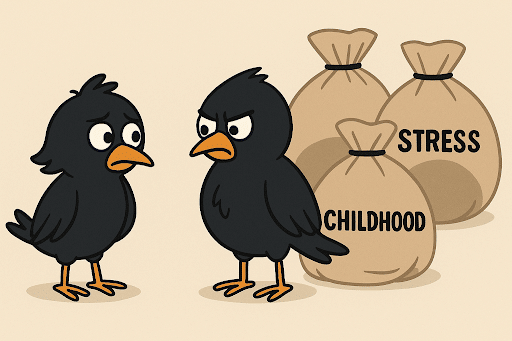
While your husband’s actions are never excused, understanding what may be fueling them can help you see the situation more clearly.
Not every husband who is rude or disrespectful fully recognizes the impact of his behavior, even when his wife has tried to tell him how much it hurts. Some men don’t recognize the depth of the damage they’re causing and can grow with genuine self-awareness and effort. Others know exactly what they’re doing and feel justified in their behavior.
Sometimes, disrespect grows out of places where he feels insecure, inadequate, resentful, or out of control. Those struggles don’t make his behavior acceptable, but they can help explain where some of it is coming from. Stress, insecurity, resentment, childhood patterns, or poor emotional skills can spill into the relationship through criticism, irritability, or overreactions.
His behavior can hurt deeply because it is happening within your marriage. But the way he treats you may reveal far more about what he’s struggling with internally than it does about your worth or something you’ve done wrong.
If that’s what’s happening with your husband, one of these reasons may be why:
1. Learned Behavior From Childhood
Some men grew up in environments where yelling, dismissiveness, or emotional distance were normal. If that’s his blueprint, he may not see his behavior as harmful. You may express that something he said hurt you, and he responds with “Please, my parents were way worse. You’re just sensitive.” His reaction isn’t about you. It’s about what he learned to call love.
How it may sound or show up:
- “You’re too sensitive. This is nothing compared to what I grew up with.”
- “That’s just how people talk. You need to toughen up.”
- He laughs or gets annoyed when you express hurt, because emotional awareness wasn’t modeled for him.
2. Stress and Burnout
Stress often spills into the relationship. Long work hours, financial pressure, or feeling overwhelmed can make him irritable or emotionally shut down. Instead of saying he is exhausted, he snaps “Can’t you figure out dinner yourself?” Stress never excuses disrespect, but it can help explain why his emotions feel unpredictable when he does not have healthier coping tools.
How it may sound or show up:
- “Can you just figure it out yourself for once?”
- “Do you see how stressed I am? Why are you adding to it?”
- Cold tone, sighing, or snapping at simple questions because he has no emotional bandwidth.
3. Poor Emotional Intelligence or Communication Skills
Some men never learned how to express emotions in a healthy way. So frustration comes out as sarcasm, distance, or hostility. You may open up about feeling overwhelmed, and he rolls his eyes and says “Here we go again.” It is not always that he does not care. Sometimes he truly does not know how to respond without defensiveness.
How it may sound or show up:
- “Here we go again.” (eye roll)
- “I don’t want to talk about this.” and then walking away mid-conversation
- Sarcasm instead of honesty, irritation instead of vulnerability.
4. Resentment in the Relationship
If he feels unappreciated or unheard, even if the belief is inaccurate, resentment may come out sideways. Instead of expressing hurt directly, it shows up as sarcasm or passive aggressive comments like “Must be nice having such an easy life.” Resentment often hides underneath irritation, criticism, and emotional distance.
How it may sound or show up:
- “Must be nice having such an easy life.”
- “Everything falls on me. You don’t get it.”
- Backhanded comments about what you “don’t do,” instead of directly expressing his feelings.
If your husband is showing this type of behavior and you have a feeling of resentment towards him, read this article: How I Turned My Unappreciative Husband Into My Biggest Fan
5. Feeling a Loss of Control
Some men struggle when roles shift emotionally, financially, or in decision making. The more capable or independent you become, the more he nitpicks or criticizes. Suddenly decisions you’ve made for years become a problem. The disrespect is not necessarily about the decision. It is often about fear, insecurity, or uncertainty around change.
How it may sound or show up:
- “Why did you make that decision without telling me?”
- “That’s not how I would’ve done it.”
- Criticizing small things more than usual when he feels uncertain or irrelevant.
6. Mental Health Challenges
Depression, anxiety, trauma, or emotional dysregulation can appear as irritability, withdrawal, or unpredictable anger. One day he is quiet, the next day he explodes over something small, and then acts like nothing happened. When untreated, these swings can leave you walking on eggshells and constantly trying to predict his moods.
How it may sound or show up:
- “Just leave me alone.” for days at a time
- “Why does everything have to be a big deal?”
- Explosive reactions to small triggers, followed by numbness or shutdown.
7. Substance Use or Addiction
Alcohol or drug use can increase irritability, lower self control, and create sudden mood shifts. He may pick fights at night or say hurtful things, then the next morning shrug and say “You’re overreacting. It wasn’t that bad.” Over time this becomes confusing, unpredictable, and emotionally draining.
How it may sound or show up:
- “You’re crazy—none of that happened.” (after a night of drinking)
- “Relax, it wasn’t that serious.”
- Picking fights late at night, then acting confused or dismissive the next morning.
8. Infidelity or Emotional Distance With Someone Else
When a man is hiding something emotionally or physically, he may create distance by criticizing you. Suddenly everything becomes wrong, your tone, your habits, your personality, even your appearance. Things that once felt normal now seem to irritate him. Hostility becomes a way to justify the disconnect he is creating.
How it may sound or show up:
- “Why do you have to act like that?” (over something minor)
- “You’re always doing something wrong.”
- Criticizing your appearance, habits, or personality in ways he never did before.
9. Intentional Emotional or Verbal Abuse
Some men use belittling, mockery, or put downs as a form of control. He may target insecurities and then say “Relax, it was just a joke.” This pattern is not stress or misunderstanding. It is intentional harm meant to shrink your confidence and hold power in the relationship.
How it may sound or show up:
- “Relax, it was just a joke. You’re so dramatic.”
- “No one else would put up with you.”
- Mocking your feelings, rolling his eyes, or making fun of your insecurities on purpose.
If this is happening in your marriage, consider connecting with a therapist who can help you navigate the situation with support, grounding, and a clear sense of what’s healthiest for you.

Creating an Environment for Change (Without Sacrificing Yourself)
If you want to see real change in your husband, the most effective place to start is by creating an environment where he can actually see his behavior — without your reactions overshadowing it.
Simple? Yes. Easy? Not always.
It requires a shift in how you interpret his behavior, and in how you choose to respond to it.
A big part of this work is compassion, and giving him the benefit of the doubt during the moments when it feels the hardest.
But compassion is easier to access when you’ve practiced giving it to yourself first. Think about the times in your own life when you’ve acted out of insecurity, exhaustion, or overwhelm — moments where your behavior didn’t match who you truly are.
Your intent wasn’t to hurt anyone, you just weren’t at your best.
“I snapped because I was running late and stressed, but if I’d had more time or more emotional space, I would have shown up differently.”
That self-reflection helps you understand how insecurity or internal chaos can spill out in ways that don’t reflect someone’s heart.
You don’t have to match his tone, engage with every comment, or carry the emotional responsibility for his reactions. And compassion does not mean ignoring red flags.
Some behaviors can shift with awareness and willingness. Others are deeply rooted and hard to change, no matter how much you explain yourself, try harder, or love him through it. Knowing the difference protects you from confusion and helps you move forward with clarity.
And if the disrespect feels heavy or ongoing, it’s also okay to recognize when additional support, for you or for your marriage, may be needed.
When you’re ready to explore specific ways to protect your peace and set healthy boundaries, I highly recommend my article on how to deal with a disrespectful husband.
Understanding His Behavior Without Blaming Yourself
Understanding the deeper reasons behind your husband’s behavior doesn’t excuse it, but it does help you make sense of what you’ve been feeling.
It gives you a wider perspective, helps you stop taking on blame that was never yours, and reminds you that disrespect is never a reflection of your worth.
FAQs: Why Is My Husband So Mean and Disrespectful?
If you’re still sorting through your thoughts after reading, these FAQs can offer additional support as you navigate what this behavior means in your marriage.
1. What are some signs my husband is mean and disrespectful?
Disrespect: When It’s More Than Just a Mood
Here are a few signs of chronic disrespect in a marriage, the kind that isn’t just a rough day, but the way he consistently shows up in the relationship.
– He talks down to you, dismisses your concerns, or makes you feel like your thoughts don’t matter.
– You’ve started second-guessing yourself—“Am I overreacting? Maybe I am too sensitive.”
– You feel relief when he’s not home because the tension disappears.
– No matter what happens, it’s somehow your fault.
2. Why does my husband act mean or rude when he says he loves me
Many women feel confused when their husband says he loves them but treats them with irritation, criticism, or emotional distance.
This disconnect often comes from deeper issues he’s struggling with — stress, insecurity, childhood patterns, poor emotional regulation — not from a lack of love. Love and emotional skill are two different things, and some men genuinely don’t know how their behavior lands.
3. Can men actually change disrespectful behavior once it becomes a pattern?
Yes, but only if they recognize the behavior and are willing to take responsibility for it. Some men improve quickly once they become aware of how their tone or reactions affect their partner.
Others stay defensive or blame external circumstances, which makes change harder. Understanding the root cause of the behavior can help you see what’s possible — and what may require outside support.
Read More from Relationship Blackbook
Discover more from Relationship Blackbook
Subscribe to get the latest posts sent to your email.

Leave a Reply